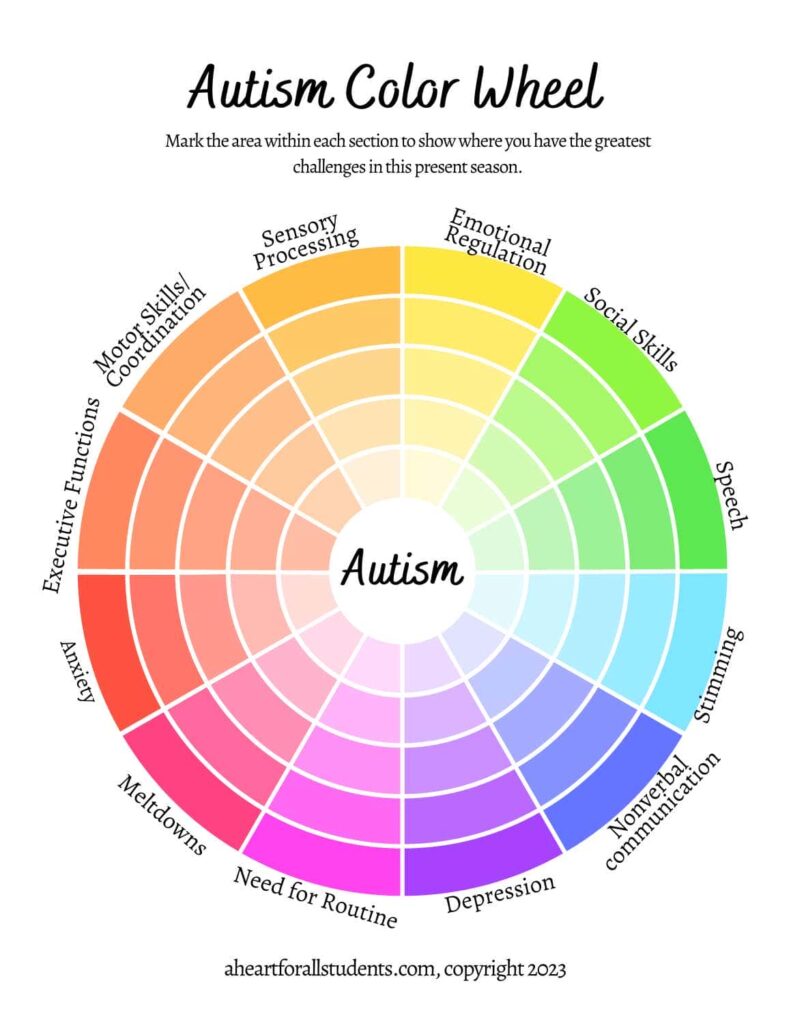
For people living with Autism Spectrum Disorder (ASD), exercise can provide benefits that go far beyond physical fitness. Regular physical activity can support strength, coordination, confidence, emotional wellbeing and participation in everyday activities.
However, finding the right type of exercise can sometimes be challenging. Differences in sensory processing, communication, motor skills, motivation and confidence can make traditional exercise programs difficult to engage with. This is where an Exercise Physiologist can help.
How Can Exercise Help People with Autism?
Exercise can provide a range of physical and functional benefits for people with autism, including:
- Improving strength and cardiovascular fitness
- Developing balance and coordination
- Supporting motor skill development
- Improving confidence with movement
- Supporting emotional wellbeing
- Encouraging social participation
- Establishing healthy routines
- Increasing independence with everyday activities
Physical activity can also provide an opportunity to develop skills in a supportive environment without the pressure of traditional sporting or gym environments.
Exercise That Is Individualised to the Person
There is no single exercise program that works for everyone with autism and requires a different approach to how the person presents and what goals they have in mind.
An Exercise Physiologist can consider a person’s individual strengths, interests, sensory preferences, communication style and physical abilities when designing an exercise program. For one person, this might involve strength training in a gym. For another, it could include walking, swimming, cycling, balance exercises or functional activities. The goal isn’t simply to make someone “exercise more”. It is to find physical activities that are enjoyable, achievable and meaningful to the individual.
Supporting Sensory and Emotional Regulation
Some people with autism experience differences in sensory processing and may become overwhelmed by certain environments, sounds, movements or social situations.
Exercise can provide a structured opportunity for movement and physical activity while allowing the environment and activities to be adapted to the individual’s needs. An Exercise Physiologist can gradually introduce new activities, modify exercises and create predictable routines that help the person feel comfortable and confident.
Building Independence Through Exercise
Exercise can also help develop the physical skills needed for everyday life. Improving strength, balance, coordination and cardiovascular fitness can make activities such as walking, getting up from a chair, navigating the community and participating in recreational activities easier.
At CNS Health Co in Maroochydore, our Accredited Exercise Physiologists develop personalised exercise programs for people with autism based on their individual goals, abilities and preferences.
If you or someone you care for is living with autism and would benefit from personalised exercise support, contact CNS Health Co to find out how Exercise Physiology at our Maroochydore Clinic can help improve physical function, confidence and independence.